Pneumonia Vaccine Decisions for Students and Young Adults
Protecting Your Lungs Before Exam Season
Pneumonia is not just something grandparents get. It is a serious lung infection that can hit students and young adults too, especially when life is busy with revision, work and social plans. When you are sharing crowded spaces, staying up late and feeling run down, your body can find it harder to fight infections. That is why it makes sense to think about the pneumonia vaccine before deadlines and exams really build up.
April in Brighton often means more time indoors in libraries, study rooms and shared houses, which can help coughs and colds spread. If you have asthma, diabetes, a weaker immune system, or you smoke or vape, your lungs are under extra strain and pneumonia can be harder on you. A bout of pneumonia can mean missed lectures, placements, shifts and sports, and it can knock your energy for a long time. Having a quick chat about the pneumonia vaccine now can help you plan ahead so illness is less likely to derail your term.
What Pneumonia Actually Is and Why It Hits Hard
Pneumonia is an infection of the lungs. The tiny air sacs that normally fill with air can instead fill with fluid or pus. This makes it harder for oxygen to move into your blood, so breathing feels more difficult. Pneumonia can be caused by bacteria, viruses or, less often, fungi. It often follows on from another infection, like a bad cold or flu, when your body is already worn out.
Typical symptoms can include:
- High temperature, sweating or shivers
- A cough that does not go away, sometimes with phlegm
- Chest pain, especially when you breathe in deeply or cough
- Fast breathing or feeling short of breath
- Feeling very tired, weak or confused
Pneumonia can be an emergency. You should seek urgent medical help if you have trouble breathing, chest pain that worries you, feel very unwell, or if symptoms are suddenly getting worse. Some people need hospital care for oxygen, fluids or antibiotics.
Younger adults often assume they will just bounce back from any illness, but pneumonia can still hit hard. Risk factors at student age include:
- Smoking or vaping
- Heavy alcohol use
- Asthma or other lung conditions
- Diabetes and some long-term health conditions
- Weak immune system
- Long nights in crowded, poorly ventilated spaces
Even if you recover at home, you might be off your feet for weeks. That can mean missing seminars and labs, falling behind on coursework, taking time off part-time jobs or placements and being too drained for sports or social plans long after the initial infection has cleared.
Pneumonia Vaccine Basics for Students and Young Adults
When people talk about a pneumonia vaccine, they usually mean pneumococcal vaccines. These are vaccines that help protect against a type of bacteria called pneumococcus, which can cause pneumonia, blood infections and meningitis. The vaccine does not stop every possible lung infection, but it can reduce your chance of getting serious illness from this particular bacteria.
On the NHS, pneumococcal vaccines are routinely offered to:
- Babies as part of the childhood schedule
- Older adults
- People of any age with certain long-term health problems
Some students and young adults are in those higher risk groups without always realising it. If you grew up with health issues, moved countries or changed doctors, it can be hard to keep track of which vaccines you have already had.
There are two main types of pneumococcal vaccine in common use:
- Conjugate vaccines, which help your immune system build a strong, longer-lasting response
- Polysaccharide vaccines, which cover a wide range of pneumococcal strains in a different way
You do not need to worry about the chemistry behind them. What matters is that they are designed to train your immune system to recognise certain bacteria so you can fight them off more quickly. They sit alongside flu and COVID vaccines, which protect against viruses that can also lead to pneumonia or make lung infections worse. Taken together, these vaccines can reduce the risk of severe respiratory illness.
If you are unsure whether you have had a pneumococcal vaccine before, a healthcare professional can help check your records where possible and talk through your options.
Do You Really Need a Pneumonia Vaccine at Uni?
A lot of students think pneumonia is only a concern later in life. In reality, some younger adults are advised to consider the pneumonia vaccine on the NHS because their risk is higher. You do not need to look or feel unwell every day to be in a higher risk group. Sometimes it is down to a health condition you have lived with for years, or medicines you take that affect your immune system.
Examples of health conditions where a pneumococcal vaccine is usually recommended at a younger age include:
- Severe asthma or chronic lung disease
- Diabetes
- Kidney or liver problems
- Sickle cell disease or other blood disorders
- A weak immune system, including from certain medicines or treatments
- Having had your spleen removed, or a spleen that does not work properly
Lifestyle and campus life can increase exposure too. Things that may put you in closer contact with infections include:
- Living in halls or shared houses
- Spending long periods in the library or study rooms
- Working in healthcare or childcare settings on placement
- Long-distance or international travel, especially around busy exam or project times
A pharmacist or other healthcare professional can help you look at your own situation. They can:
- Review your medical conditions and medicines
- Check if you are likely to be eligible for a free NHS pneumococcal vaccine
- Talk through the pros and cons of having the vaccine
- Discuss private options if you are not eligible on the NHS but are still worried about your risk
The aim is not to scare you, but to help you make a calm, informed decision so you feel more in control of your health while you study.
Booking Your Pneumonia Vaccine at Sussex University Pharmacy
On the University of Sussex campus in Falmer, Sussex University Pharmacy is well placed to support students, staff and the wider local community with pneumonia vaccine decisions. Being on campus means it is easier to fit health care around lectures, revision and work, instead of needing to head into town or take long trips. Our team can talk through your situation and help you work out what is best for you.
If you want to look into the pneumonia vaccine, a simple way to start is:
- Drop into the pharmacy between lectures to ask about pneumococcal vaccines
- Use our online tools or app to arrange a time that suits you
- Bring any vaccine records you have, a list of your medicines and your NHS number if you know it
At your appointment, you can expect:
- A short health check and questions about your medical history
- A clear explanation of what the vaccine does and does not do
- A consent process so you know what you are agreeing to
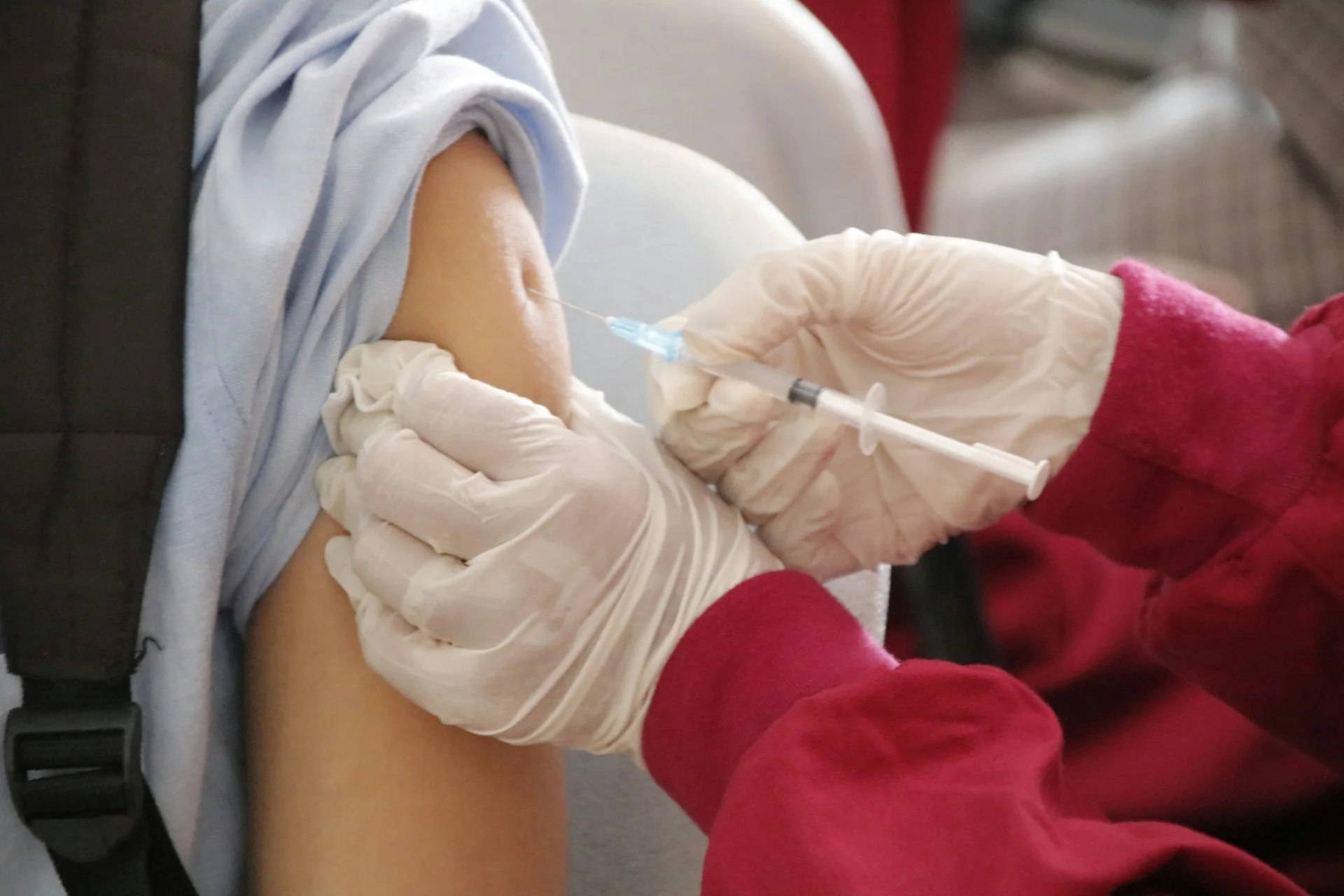
- The injection itself, usually in the upper arm
- A brief wait afterwards so we can make sure you feel well before you leave
Common short-term side effects can include a sore arm, mild fever or feeling a bit under the weather for a day or two. A healthcare professional will explain what to look out for and when to seek help if anything worries you.
Because we also support with other vaccines, we can help you plan around your wider needs, for example:
- Flu vaccines
- COVID boosters
- Travel vaccines for holidays, volunteering or placements abroad
This can help you time your jabs so they do not clash with big exams, practical assessments or important events.
Take Charge of Your Respiratory Health This Term
Thinking ahead about your lungs may not feel exciting, but it can make a real difference to how you cope with a busy term. Taking a few minutes to check your risk factors, any long-term conditions, upcoming travel and placements can save you from a lot of stress later. When you plan vaccines and other health checks before life gets hectic, you give yourself the best chance to stay in class, stay at work and keep your energy for things you enjoy.
Understanding pneumonia, knowing who the pneumonia vaccine is for and talking through whether it fits your situation is part of taking care of your long-term health. It is about protecting your breathing, your stamina and your ability to focus when it matters most. At Sussex University Pharmacy, we are here on campus to offer clear information, check your eligibility for NHS vaccines where appropriate and help you fit respiratory health planning around your studies and your life in Brighton.
Protect Your Health With Expert Pneumonia Vaccination
If you are at higher risk of respiratory infections, we can help you stay protected with a convenient pneumonia vaccine appointment at a time that suits you. At Sussex University Pharmacy, our trained pharmacists provide personalised advice so you understand whether the vaccine is right for you. If you have any questions or would like to book, simply contact us and we will guide you through the next steps.