
Questioning Pharmacy First Service in Brighton for Skin Rashes
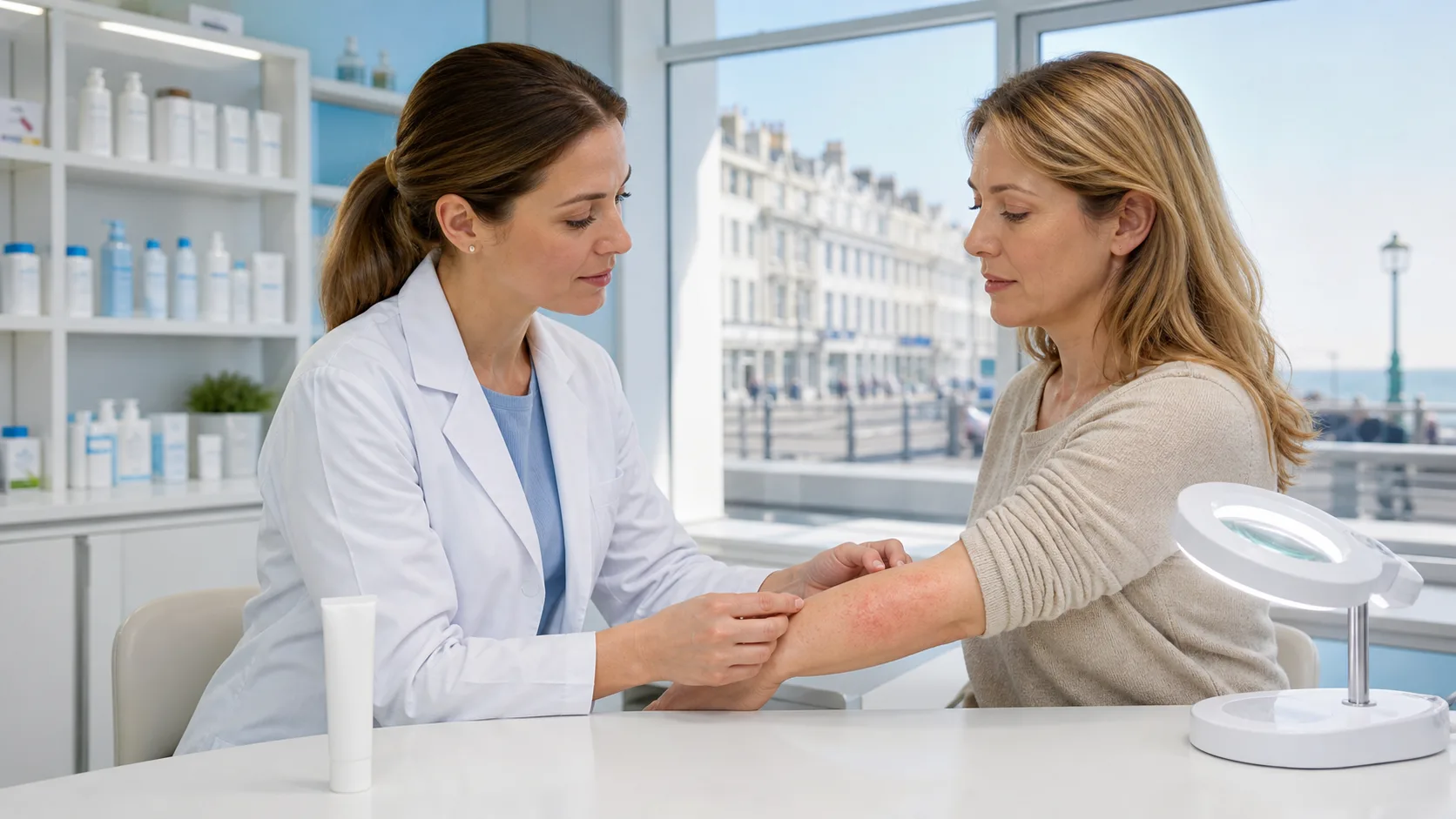
Rashes in Winter: When Should You Question Advice
Cold Brighton air, damp drizzle and constant heating can be tough on skin. Around late autumn and in winter, we see more people with dry, itchy patches, eczema flare-ups and rashes linked to coughs and colds. Skin can feel tight and sore, and it is easy to dismiss changes as “just the weather”.
The Pharmacy First service in Brighton makes it simpler to get support for minor health problems, including some rashes, without waiting for a GP appointment. For many people, that is a helpful starting point. But not every rash is simple, and sometimes quick advice is not enough.
In this article, we will look at how Pharmacy First can help with rashes, where its limits are, and when you should be more cautious. Our aim is to help students, university staff and local residents feel more confident about what to do when a rash appears, and to know when extra medical help is needed. We want you to feel safe asking questions and to know that no concern is too small to raise.
What Pharmacy First Can and Cannot Do for Rashes
Pharmacy First is an NHS scheme that lets community pharmacists assess and support certain minor conditions. For some simple skin problems, this can be a convenient, local option. You can speak to a trained professional, often on the same day, and get clear, practical guidance.
For rashes, a pharmacist can usually offer:
- A visual check of the rash on exposed areas
- Questions about symptoms, timing and triggers
- Advice on over-the-counter creams, emollients and other products
- Treatment under the service where appropriate, following NHS guidance
- Safety advice about what to watch for and when to seek further help
There are also clear limits. Pharmacists cannot:
- Order blood tests, skin scrapings or biopsies
- Give a firm diagnosis for complex or long-term rashes
- Manage severe, rapidly spreading or very painful skin problems
- Replace regular reviews for long-term skin conditions
Some rash types are often suitable for Pharmacy First, such as mild contact dermatitis (for example from soaps or cleaning products), simple fungal rashes in skin folds, mild eczema flare-ups on hands or body, and irritated skin from cold weather or frequent handwashing.
Other rashes usually need a GP, urgent care or hospital assessment. These include sudden widespread rashes with high fever, painful hot swollen areas that might be cellulitis, repeated or long-lasting rashes that keep coming back, and rashes in someone with serious long-term illness or weak immunity. Pharmacy First can be a great first step, but it is not designed for every situation.
Red Flag Rashes: When Convenience Is Not Enough
Some rashes are warning signs of serious illness. In those cases, saving time with a quick pharmacy visit is not the priority. Getting urgent medical help is.
You should seek urgent medical care, not just Pharmacy First, if:
- The rash is spreading very quickly over hours
- You see purple, dark red or bruise-like spots that do not fade when pressed
- There is a rash with a high fever, severe headache or stiff neck
- The person has trouble breathing, chest tightness or swelling of lips or face
- There is confusion, drowsiness or acting “not themselves”
- The person feels very unwell, not just a bit under the weather
Certain groups need extra caution in winter:
- Babies and young children
- People with weak immune systems
- People with long-term conditions like diabetes, heart disease or severe asthma
- Anyone on medicines that affect the immune system
Serious infections, such as meningococcal disease or severe cellulitis, can start off looking minor. Allergic reactions can begin with a simple-looking rash, then progress quickly. This is why timing, speed of change and how unwell the person feels matter a lot.
A community pharmacy can play a key safety role here. Pharmacists are trained to look for red flags and, when worried, they will not hesitate to advise urgent review. The priority is always to keep you safe, even if that means saying that Pharmacy First is not the right place for that particular rash.
Common Winter Rashes on Campus: When to Be Skeptical
On and around campus in Falmer, we tend to see a similar pattern of winter skin problems every year. Common issues include:
- Hand dermatitis from repeated handwashing and hand gel
- Dry, cracked skin from cold air outside and heated rooms inside
- Mild eczema flares linked to exam stress and poor sleep
- Viral rashes that appear with colds, sore throats and “freshers’ flu”
Many people search online or scroll social media and try to label a rash themselves. This can sometimes lead to underestimating problems. It is particularly easy to mix up conditions that can look similar at first, such as scabies and simple dry skin or eczema, shingles and an ordinary heat rash, or psoriasis plaques and dandruff or “just flaky skin”. These mix-ups are common, which is why a face-to-face assessment with a health professional is so important.
It is also sensible to question Pharmacy First advice if:
- The rash is no better within the time frame the pharmacist suggested
- The cream or product advised seems to make things worse
- New symptoms appear, such as fever, joint pain or deep fatigue
- The rash keeps returning in the same place again and again
Keeping some form of record helps, because it can make a later review quicker and more accurate if the rash does not settle. Useful ways to track changes include:
- Taking clear, well-lit photos as the rash changes
- Writing down what you have tried and when
- Noting any links with stress, illness, new soaps or new medicines
Sharing these details with a pharmacist, GP or university health service can make assessment quicker and more accurate if your rash does not settle.
Getting the Best From Pharmacy First in Brighton
A little preparation can make a Pharmacy First consultation more useful. Before you come in, try to note:
- When the rash first appeared and how it has changed
- Where on the body it is and how itchy or painful it feels
- Any new soaps, detergents, cosmetics or pets
- Any new medicines, including herbal products or supplements
- Whether anyone you live with has a similar rash
During a Pharmacy First discussion, the pharmacist will usually ask about your general health, other conditions, allergies and any regular medicines. They may need to look at the rash, so wearing clothes that make it easy to uncover the area, while still keeping you comfortable and covered, can help.
Pharmacy First fits alongside other NHS options:
- It can be a good first choice for simple, mild rashes.
- A GP is usually better for long-term, complex or recurring skin problems.
- NHS 111 or urgent care are more suitable for worrying or fast-changing rashes.
- Emergency services are for serious red flag symptoms.
Follow-up is important too. If you have used the suggested treatment correctly and the rash is clearly improving, keep going as advised. If it is unchanged after the suggested time, go back for review. If it is worse, more painful or you feel unwell, seek higher-level care.
Community pharmacists can also support with wider winter health, such as advice about flu and COVID vaccinations, cold and flu care, hay fever and asthma control, which sometimes link with skin issues like eczema.
Take Control of Your Skin Health This Winter
Rashes are easy to ignore, especially when you are busy with lectures, deadlines or work. But skin problems that keep coming back, do not heal or come with other symptoms should not be brushed off as “just winter skin”.
The key message is balance. Pharmacy First is a helpful and often quick way to get support for many simple rashes. It can save you time and give you clear, practical steps. But it is not a replacement for urgent medical care when red flags are present, or for ongoing GP support with complex or long-term skin conditions.
If you are unsure whether Pharmacy First is right for your rash, it is always okay to ask. A short conversation with a pharmacist can help you decide the safest next step so you feel more in control of your skin health through the colder months.
Get Fast, Expert Help For Everyday Health Concerns
If you need prompt advice or treatment for minor conditions, our pharmacists are here to help without the need to wait for a GP appointment. Use our Pharmacy First service in Brighton to access professional support and, where appropriate, NHS-funded treatments. If you have any questions before you come in, you can contact us and we will be happy to guide you on the best next steps with Sussex University Pharmacy.