Travelling Home for Christmas? Hepatitis A and Typhoid Protection for Sussex Students
Quick answer
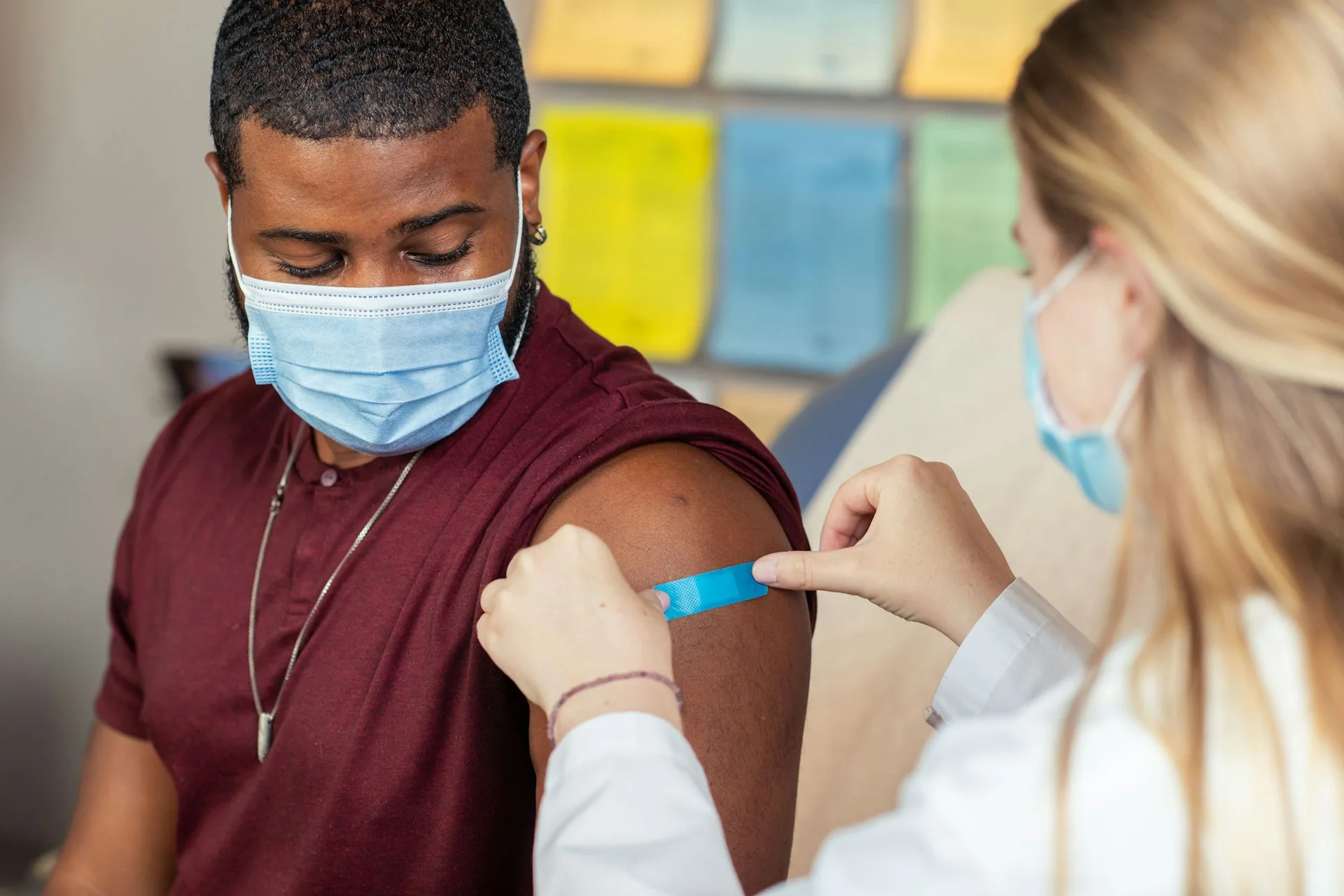
If you are travelling to countries where hepatitis A or typhoid are common, ask a pharmacist about vaccines as early as you can, ideally 6 to 8 weeks before you go. The typhoid vaccine is free on the NHS and protects for about 3 years; you may need to pay for a hepatitis A vaccine for travel. Side effects are usually mild, such as a sore arm.
Lots of students and staff head abroad over the winter break to see family and friends. If your trip includes parts of South Asia, Africa, the Middle East or Central and South America, two infections are worth thinking about before you pack: hepatitis A and typhoid. Both spread through contaminated food and water, both can make you properly ill, and there are vaccines that can lower your risk.
Here is what our pharmacists on the University of Sussex campus want you to know before you book your flights home.
Why Are Hepatitis A and Typhoid a Risk When Visiting Family Abroad?
Typhoid spreads through food or water that has been contaminated. The NHS notes that most typhoid cases in the UK are in people who have recently travelled to India, Pakistan or Bangladesh. Hepatitis A spreads through the poo of an infected person, often via food, water or hands, and it is more common in parts of Africa, Asia, the Middle East and Central and South America.
Visiting friends and relatives can carry more risk than a short holiday. You are more likely to eat home-cooked and street food, drink tap water at people's homes and stay longer, and it is easy to assume you are protected because you grew up there or have visited before. Immunity from childhood does not always last, so it is worth asking.
Which Vaccines Might You Need?
- Typhoid. The NHS says the typhoid vaccine is usually recommended for anyone over 1 year old travelling to an area where typhoid is common. It is free on the NHS, comes as an injection or as tablets, and protection lasts about 3 years.
- Hepatitis A. The hepatitis A vaccine is offered to people at higher risk, including travellers to countries where it is common. The NHS notes you may need to pay for it when it is for travel.
- Both together. A combined hepatitis A and typhoid vaccine is available, so some travellers can cover both with fewer injections.
Which vaccines you actually need depends on where you are going, how long you will stay, where you will sleep and eat, and what you have had before. Our travel health clinic goes through all of that with you.
When Should You Get Vaccinated?
The NHS suggests getting travel advice 6 to 8 weeks before you travel. That leaves time for any vaccines to work and for a second dose if one is needed. If you only booked your flights recently, do not skip it: ask us anyway, as some protection and good advice before you go are better than none.
Bring your travel dates, your destinations and any vaccine records you have (your GP practice or the NHS App may show past vaccines).
What Side Effects Should You Expect?
Most people have no problems or only mild ones that pass within a day or two. Common side effects include:
- soreness or redness where the injection was given
- a mild temperature
- a headache
- feeling sick
- tiredness
Tell the pharmacist before your vaccine if you are pregnant, unwell with a high temperature, have a weakened immune system or have ever had a reaction to a vaccine, so they can check it is right for you.
How Can You Stay Safe With Food and Water?
Vaccines do not guarantee protection, so the everyday precautions still matter. The NHS advises:
- wash your hands with soap and water, especially before eating and after the toilet, or use sanitiser gel if you cannot
- drink bottled water, sealed drinks or drinks made with boiled water, and brush your teeth with bottled or cooled boiled water
- avoid ice in drinks
- eat food that has been freshly and thoroughly cooked and is served hot
- avoid raw or lightly cooked meat and seafood, unpasteurised dairy, and salads or fruit you have not washed or peeled yourself
What If You Feel Unwell After You Get Back?
Typhoid symptoms usually start within 3 weeks of infection but can take up to 6 weeks. They include a high temperature, headache, cough, aches, feeling tired, stomach pain, constipation or diarrhoea. Hepatitis A can cause flu-like symptoms, feeling sick, tummy pain, dark pee, pale poo, itchy skin and yellowing of the skin or eyes.
If you have been to an area with typhoid and feel unwell, call NHS 111, even if you were vaccinated. Call 999 or go to A&E if you have sudden stomach pain that keeps getting worse, black or dark red poo, or you are vomiting blood.
Book Before the Winter Break
You can get travel advice and vaccines at University Pharmacy in the Student Centre on the Falmer campus, so there is no need to wait for a GP appointment before term ends. Book a travel health appointment or pop in and ask at the counter.
This guide is general information and was checked against NHS advice in November 2026. Your pharmacist will tell you which vaccines are right for your trip.
Frequently Asked Questions
Do I need a typhoid vaccine to visit family in India, Pakistan or Bangladesh?
The NHS says most typhoid cases in the UK are in people who have recently travelled to India, Pakistan or Bangladesh, and the vaccine is usually recommended for anyone over 1 year old travelling to a high-risk area. A pharmacist can check your exact destination and plans.
Is the typhoid vaccine free?
Yes, the typhoid vaccine is free on the NHS. You may need to pay for a hepatitis A vaccine if it is for travel.
How long before travel should I get vaccinated?
The NHS suggests getting advice 6 to 8 weeks before you travel. If you are leaving sooner, still ask, as some protection and good advice are better than none.
What are the side effects of hepatitis A and typhoid vaccines?
They are usually mild and short-lived: soreness or redness where the injection was given, a mild temperature, headache, feeling sick or tiredness.
Do I still need to be careful with food and water if I've had the vaccines?
Yes. Vaccination does not guarantee protection, so the NHS advises good hand hygiene, bottled or boiled water and freshly cooked food served hot.